Your Ultimate Guide to Reliable Oilfield Equipment Rental Providers
Navigating the landscape of oilfield equipment rentals calls for an essential understanding of different variables that can affect both operational performance and cost-effectiveness. From determining the best kinds of equipment to evaluating the integrity and dependability of rental firms, making educated decisions is vital. Additionally, considerations around security standards and conformity can not be ignored, as they play a pivotal role in ensuring both efficiency and legal adherence. As we discover the vital aspects of effective rental experiences, it ends up being noticeable that calculated planning and clear interaction are key-- yet, there are substantial subtleties that require closer exam.
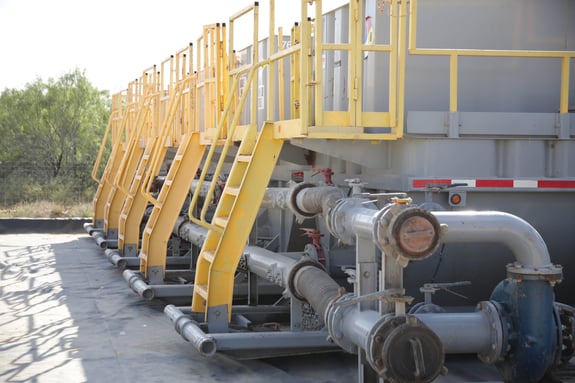
Recognizing Oilfield Equipment Rentals
Oilfield equipment rentals play an important duty in the energy market, providing business with the necessary devices and machinery to effectively perform drilling and manufacturing procedures. This market is defined by its dynamic nature, where the need for specific equipment can vary substantially based on project demands and market conditions.
Renting equipment permits firms to maintain operational adaptability and expense control, as they can access top notch machinery without the burden of ownership expenses, upkeep, or storage. Generally rented out equipment includes drilling rigs, mud pumps, compressors, and safety and security equipment, each tailored to meet the diverse needs of different tasks.
In addition, rental solutions frequently include the advantage of technical support and upkeep, making sure that the equipment remains in optimal functioning problem throughout the rental period. This support is necessary in mitigating risks related to equipment failing, which can bring about pricey downtime.
Oilfield equipment rental companies normally use an array of alternatives, accommodating both temporary and long-lasting projects. This adaptability is key for firms intending to scale operations or react promptly to changing market demands. On the whole, understanding oilfield equipment rentals is fundamental for improving functional performance in the energy industry.
Trick Factors to Think About
When examining oilfield equipment rental services, a number of vital factors should be meticulously thought about to safeguard perfect results for jobs (Midland Pipeline Equipment Rental Authority). Analyze the array and high quality of equipment readily available. A reliable rental solution needs to offer well-kept, industry-standard equipment that meets specific job needs
Next, assess the rental business's reputation and integrity. Research consumer evaluations and testimonies to determine the degree of solution offered, including timely shipment and responsiveness to queries. In addition, take into consideration the firm's experience in the sector; skilled suppliers are usually better furnished to comprehend and satisfy special client needs.
Cost is one more important variable. While price is essential, it must not come at the cost of top quality. Compare quotes from different companies and identify that all potential surprise expenses are clear.
Sorts Of Oilfield Equipment
A comprehensive understanding of the numerous types of equipment offered for rental is basic for optimizing oilfield procedures. Oilfield equipment can be classified into a number of key types, each offering a specific function in the expedition, extraction, and transportation of hydrocarbons.
Exploration equipment, such as drill gears, mud pumps, and case devices, is vital for the exploration stage. These machines assist in the creation of wells and guarantee the stability of wellbore frameworks. Pipeline Equipment Rental Authority. Conclusion equipment consists of devices like wellheads, packers, and tubing, which are crucial for preparing a well for production
Manufacturing equipment encompasses separators, compressors, and tank, playing a vital role in processing and saving drawn out oil and gas. In addition, transportation equipment, consisting of pipelines and tankers, is necessary for the effective activity of products to refineries.
Assistance equipment, such as generators, water therapy systems, and safety gear, is likewise essential for keeping operational effectiveness and safety and security on-site. Understanding these classifications and their features helps in choosing the appropriate equipment to meet specific operational requirements, ultimately enhancing productivity and safety in oilfield tasks.
Examining Rental Companies
Selecting the best rental firm for oilfield equipment is critical to the success of procedures, as it can directly affect effectiveness and expenses. When examining prospective rental companies, several essential elements should be considered. Initially, analyze the firm's track record within the market. Try to find customer testimonials, testimonies, and case researches that highlight their integrity and service quality.
Next off, assess the array and problem of equipment offered. A credible rental company needs to supply well-kept, up-to-date equipment that fulfills security and functional requirements. Confirm they have a varied stock that can fit varying project requirements.
Additionally, consider the business's support solutions, including maintenance and technological help. A responsive support group can considerably minimize downtime during procedures. Moreover, analyze their shipment and pick-up logistics to confirm timely accessibility of equipment.
Last but not least, review the rental terms and conditions to validate they line up with your operational requirements. Clear contracts that lay out obligations, responsibilities, and service expectations are crucial. By carefully evaluating these aspects, you can make an informed choice and select a rental business that aligns with your functional goals, eventually improving the success of your oilfield tasks.
Price Factors to consider
Cost factors to consider play an important duty in the decision-making process for oilfield equipment rentals. Business must very carefully budget for rentals, ensuring they make up potential hidden fees that can occur. Furthermore, examining the monetary effects of lasting versus temporary rentals is essential for optimizing total expense.
Budgeting for Rentals
Reliable budgeting for oilfield equipment rentals requires a detailed understanding of both straight and indirect expenses related to the equipment. Straight expenses include the rental charges for the equipment itself, which might vary based upon the type, version, and duration of the rental period. In addition, it is necessary to take right into account transportation expenses, as moving equipment to and from the job website can include significant expenditures.
Indirect prices should also be factored into your budget. These might consist of upkeep fees, insurance coverage, and any kind of necessary training for personnel operating the equipment. Reflect on the potential expenses associated to equipment downtime, which can arise from delays in rental accessibility or maintenance issues.
To produce a comprehensive spending plan, collect in-depth quotes from several rental company to compare costs and solutions. Make sure to represent your task's details requirements, such as the kind of equipment needed and the duration of use. Establishing a contingency fund can likewise be useful, as it allows for unforeseen expenditures that may occur during the rental period. By thoroughly evaluating these aspects, you can develop an efficient budget that optimizes your investment in oilfield equipment rentals.

Hidden Costs Understanding
While budgeting for oilfield equipment rentals, it is important to continue to be vigilant concerning potential hidden costs that can substantially influence the total cost. Many rental companies may not disclose all expenses in advance, causing unexpected monetary burdens.
Usual surprise fees consist of distribution and pick-up charges, which can differ greatly based on the distance to the job website. Additionally, equipment upkeep costs might be applied if the equipment is returned in less than ideal condition, even if the damages was very little or unintentional. Insurance coverage prices are another facet to review; business usually require tenants to acquire added insurance coverage, which can blow up the total rental price.
Late return penalties can gather swiftly, so it is vital to adhere to the agreed-upon rental period. Finally, ask regarding any kind of administrative costs that might be included to your billing.
To stay clear of these mistakes, it is important to extensively evaluate the rental agreement and request for a detailed breakdown of all possible prices. Texas Oilfield Equipment Rental Excellence. Transparent interaction with the rental copyright can assist assure a more clear understanding of the overall monetary dedication associated with the rental process
Long-Term vs. Short-Term
When determining in between long-lasting and temporary oilfield equipment rentals, it is essential to very carefully assess the monetary ramifications connected with each option. Short-term rentals commonly accommodate tasks with limited durations, offering flexibility and the ability to quickly adjust to transforming operational demands. However, the cost each day is typically greater, which can build up significantly with time if the rental period prolongs past first forecasts.
On the other hand, long-term rentals typically supply an even more cost-effective option for jobs with extended timelines. The everyday service prices are normally reduced, and numerous companies may offer additional rewards or price cuts for prolonged commitments. This can cause substantial savings, especially for operators anticipating consistent equipment use over months or years.
In addition, it is very important to aspect in maintenance and potential wear-and-tear prices. Long-term rentals typically consist of maintenance plans, whereas temporary rentals may require the lessee to birth these costs separately. Inevitably, the choice in between lasting and short-term rentals need to straighten with task demands, budget restrictions, and future operational strategies, ensuring that funds are utilized efficiently.
Security and Compliance Specifications
Safety and security and compliance standards are important elements in the oilfield equipment rental industry, making certain that operations fulfill regulative requirements and market standards. This conversation will concentrate on the crucial regulatory frameworks, the implementation of equipment safety methods, and the significance of qualification and training standards for personnel. Following these guidelines not only secures workers however also boosts operational efficiency and reduces dangers.
Governing Requirements Review
Conformity with governing requirements is essential for ensuring the security and integrity of oilfield equipment rental solutions - Midland Pipeline Equipment Rental Authority. Various laws regulate the operation and maintenance of equipment used in the oil and gas sector, consisting of those stated by the Occupational Security and Wellness Administration (OSHA), the Epa (EPA), and state-specific regulative bodies
These laws mandate that rental business stick to rigid security criteria, assuring that equipment is on a regular basis checked, kept, and licensed for use. Firms need to likewise adhere to ecological policies that resolve waste administration, emissions, and spill avoidance, thus decreasing their ecological impact.
Drivers must guarantee that all personnel included in the equipment handling are adequately trained and familiar with security procedures and emergency situation treatments. Documents of compliance is vital; maintaining accurate records can shield firms from legal liabilities and enhance their credibility within the industry.
Equipment Security Protocols
Guaranteeing the appropriate implementation of equipment safety procedures is vital for preserving functional honesty in oilfield equipment rental solutions. These protocols serve as an extensive framework created to minimize risks connected with equipment use, therefore promoting a secure workplace for employees and optimizing equipment lifespan.

It is crucial to develop clear safety and security standards that adhere to market criteria and neighborhood guidelines. This consists of regular inspections and upkeep of rental equipment to determine prospective risks before they result in mishaps. In addition, using appropriate individual safety equipment (PPE) have to be mandated for all personnel associated with equipment operation and handling.
Additionally, it is essential to carry out rigid treatments for equipment transportation, setup, and procedure. This includes appropriate load securing throughout transport, careful installment practices, and adherence to functional limitations defined by suppliers.
Recording all safety and security methods and guaranteeing they are easily accessible to all users fosters a society of security recognition. Routine safety and security audits and feedback loopholes can aid fine-tune these protocols, making certain continuous improvement and conformity with developing safety and security requirements. By prioritizing equipment security procedures, oilfield equipment rental services can meaningfully reduce the possibility of incidents and promote a safer functional landscape.
Qualification and Training Standards
Qualification and training requirements play a crucial role in the oilfield equipment rental services market, developing a foundation for safe and effective procedures. These standards guarantee that employees are equipped with the needed skills and knowledge to run complicated machinery and abide by safety and security methods. Firms need to follow both regional and worldwide laws, such as those stated by the Occupational Security and Health Management (OSHA) and the American Oil Institute (API)
Educating programs should encompass a complete curriculum that includes equipment operation, emergency situation reaction treatments, and danger recognition. Normal assessments and certifications not only confirm the expertise of the workforce but also improve the general safety and security society within the sector.
Furthermore, companies that focus on certification and training requirements cultivate trust fund with clients, as they demonstrate a dedication to safety and security and compliance. This is particularly important in risky environments like oilfields, where the consequences of carelessness can be devastating.
Ultimately, sticking to rigorous accreditation and training standards is not just a regulatory requirement; it is an important investment in the sustainability and reputation of oilfield equipment rental services, assuring that operations are performed sensibly and properly.
Tips for an Effective Rental Experience
Navigating the world of oilfield equipment rental solutions can be intimidating, however with the appropriate approach, you can assure a smooth and effective experience. Begin by clearly defining your project needs, consisting of the kind of equipment needed, the period of the leasing, and any particular features essential for your procedures. This clearness will promote effective communication with rental suppliers.
Next, perform comprehensive research study on potential rental business. Search for sector track record, customer reviews, and their conformity with safety and qualification criteria. A reliable rental solution will not just offer quality equipment yet also supply support and support throughout the rental duration.
Prior to settling the rental agreement, verify you completely understand the conditions, consisting of maintenance duties, insurance policy coverage, and any kind of prospective hidden charges. A proper assessment of the equipment prior to approval is important; validate that it is in great working problem and meets safety and security regulations.
Preserve open interaction with the rental service while making use of the equipment. Promptly attend to any kind of issues or problems that emerge, confirming you maximize your rental experience while decreasing operational interruptions. By following these ideas, you can browse the rental process with confidence and effectiveness.
Regularly Asked Inquiries
What Are the Typical Rental Periods for Oilfield Equipment?
Normal service periods for oilfield equipment can vary considerably based upon task requirements and equipment kind. Generally, rental agreements range from temporary rentals, lasting a few days to several weeks, to long-lasting rentals, which can prolong from a number of months to even years. The duration is frequently influenced by elements such as project scope, budget restraints, and equipment schedule, making it essential for operators to assess their demands carefully prior to wrapping up rental arrangements.
Can I Lease Equipment for Short-Term Projects?
Yes, it is try this out undoubtedly possible to rent out equipment for short-term projects in the oilfield sector. Several rental firms use versatile leasing options that satisfy varying project periods, including everyday, weekly, or regular monthly rentals. This versatility enables operators to access the necessary equipment without the worry of lasting dedications, guaranteeing that they can adjust to specific project requirements successfully and cost-effectively. Always validate the rental terms and accessibility with the copyright to satisfy task timelines.
Just How Is Equipment Upkeep Handled During Rentals?
Equipment upkeep during rentals is usually the duty of the rental business. Trustworthy firms assure that all equipment is consistently serviced and checked prior to rental to preserve peak efficiency and security criteria. In case of any breakdowns throughout the rental period, the provider frequently offers support and substitute services to minimize downtime. Customers should examine maintenance plans and procedures detailed in the rental agreement to totally comprehend their responsibilities and the business's obligations.
Are There Added Fees for Distribution and Pick-Up?
When renting equipment, extra costs for shipment and pick-up are generally come across. These fees vary relying on elements such as distance, equipment size, and rental period. It is necessary to clear up these prices with the rental company beforehand to stay clear of unexpected costs. Some companies may provide comprehensive prices that covers distribution and pick-up, while others might bill separately, making it critical for clients to evaluate the rental contract extensively for openness.
What Occurs if Equipment Breaks Down Throughout the Rental?
In case of equipment failure throughout the rental duration, the responsibility generally falls on the rental company, depending on the terms of the agreement. Many rental contracts include clauses that lay out procedures for reporting problems, fixing timelines, and responsibility. It is recommended to promptly alert the rental copyright to facilitate timely repair services or equipment substitutes, making sure very little interruption to operations. Pipeline Equipment Rental Authority. Recognizing these terms ahead of time is necessary for efficient administration of rental equipment
Comments on “Pipeline Equipment Rental Authority and regulatory standards: protecting crews”